

It’s been a busy week for agriculture, but unfortunately, we all seem to be missing the main event.
In the U.S., the Trump administration announced a plan to subsidize certain agricultural products that have come into the crosshairs of the Trump Trade War by up to $12 billion. The U.S. Department of Agriculture will use a Great Depression-era program to allocate the funding, which looks remarkably like Soviet-era state planning.
(On a brief side note, how well is a trade war going when you decide the best course of action is to use a GREAT DEPRESSION-era stimulus program?)
Meanwhile, China announced that it will invest $680 million to build an industrial-agricultural facility in Belarus, which will process 250,000 tonnes of wheat into animal feed. Contingency plans, if ever there were any, for that Trump Trade War.
Getting away from the TTW, Bayer announced that it would not be pursuing genetic plant breeding within the European Union after the European Court of Justice ruled that the technology must be regulated the same way in which GMOs are. All this means is the pharmaceutical and life sciences behemoth, which recently bought Monsanto and became the world’s largest seed producer, will likely shift this kind of research to the U.S.
Oh yeah, and G20 agriculture ministers and secretaries are meeting in Buenos Aires to discuss achieving a sustainable food future. But unless you are a regular visitor to the G20’s website or Mercopress, the official news agency of the Mercosur, you never would have known this.
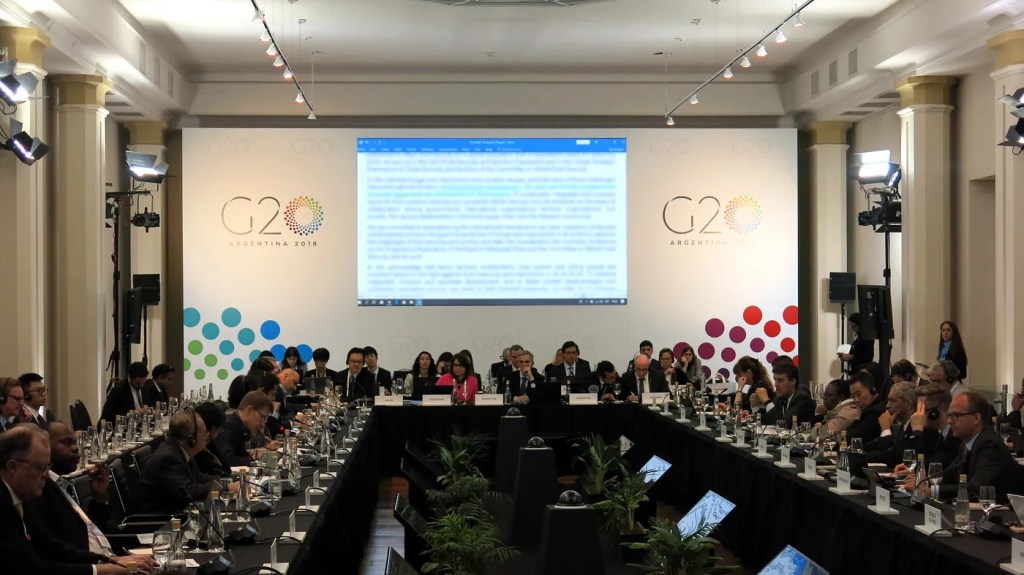
I looked for this story all over the Anglophone media. I could not find it after quick searches on the BBC website (or BBC Mundo, interestingly enough, which actually specializes in Latin America), Bloomberg, the Financial Times, Reuters, the Guardian or the New York Times.
As a journalist, this seems quite strange because obviously, if the world’s 20 largest economies are gathering to talk about it, there’s something to talk about. In fact, food security is “Goal 2” of the United Nation’s 17 sustainable development goals to transform the world. For some context, “Goal 1” is alleviating poverty and “Goal 3” is health.
According to data from the U.N., one in nine people is undernourished. That means right now, 815 million people do not get enough to eat. Based on inferences made on population demographic trends, this number may reach 2 billion by 2050. Food for thought, no?
So while almost all of the news sources listed above are focussing on Julian Assange’s fate – a man who voluntarily barricaded himself in a two-room, embassy hideout in order to evade charges of sexual assault – as the biggest story coming out of Latin America, what the countries that account for 60 percent of the world’s farming land and almost 80 percent of the world’s global trade in food and agricultural commodities go unnoticed.
What these ministers and secretaries will be discussing are responsible soil management, food loss and waste, antimicrobial resistance, climate change and agricultural innovation.
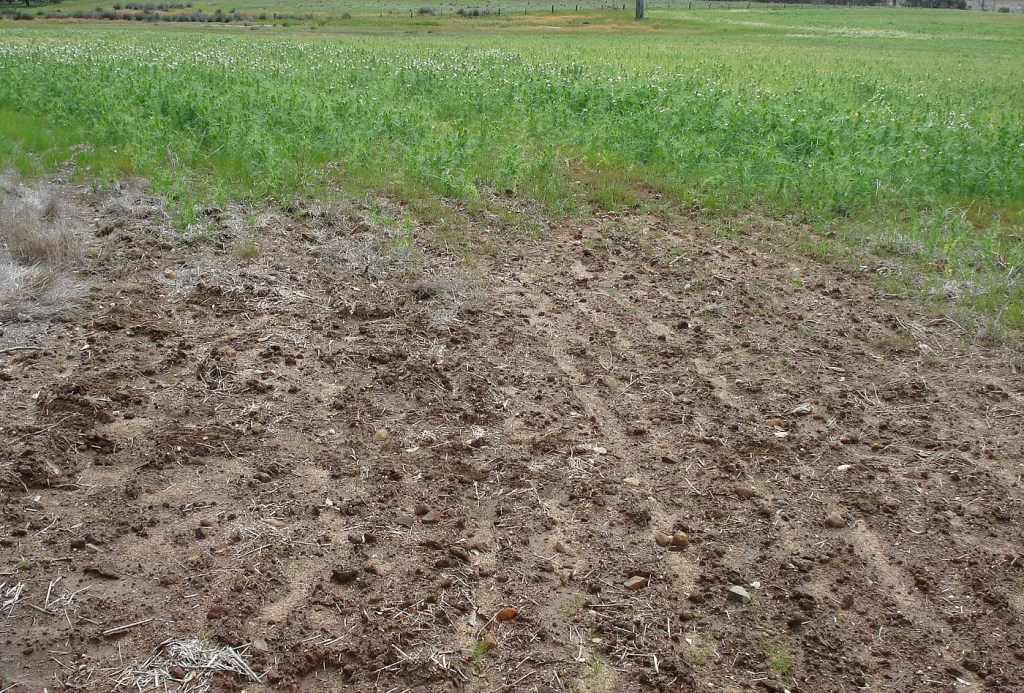
Soil, just like oil, gold and Trump’s patience, is a non-renewable resource over the course of a human lifespan. It is often not viewed this way by industrial farming complexes, which is why this issue will headline the G20 meeting. Soil degradation is one of the leading causes of crop loss, which destroys an estimated 24.7 million acres (10 million hectares) each year.
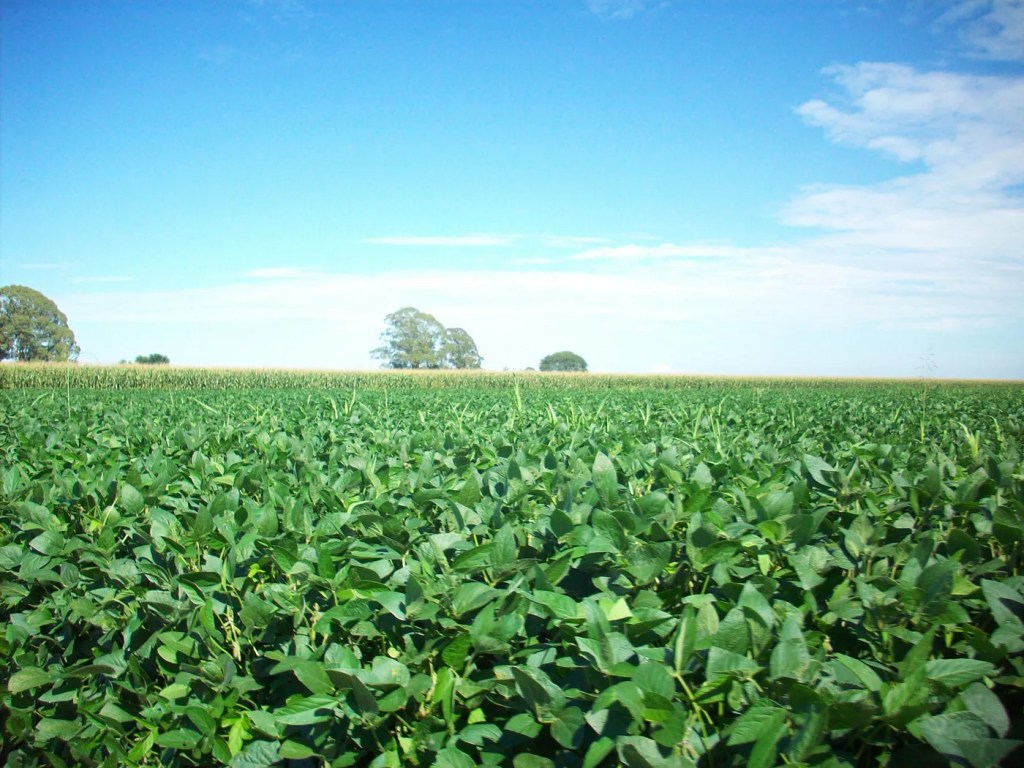
Since Argentina is this year’s G20 president, various representatives will demonstrate the country’s progress in the use of no-till farming, genetic modification of seeds (which they can’t do so easily in the EU anymore) and satellite-controlled irrigation, among other agricultural and livestock technologies.
On Wednesday (25), the S20 (Science 20) Summit ended in Rosario, Argentina. More than 200 scientists attended and spent two days discussing how to bring the scientific community together to solve some of the aforementioned agricultural problems. Soil was one topic that was widely discussed.
“Soil, water and energy are vital resources to ensure global food security. Human dependence on soil is becoming a critical situation,” Roberto Williams, the S20 chair and president of Argentina’s National Academy of Exact, Physical and Natural Sciences (ANCEFN), said.
In an era when feelings often trump facts and people are prone to disagree with scientific conclusions that conflict with their own worldviews, the summit issued a strong statement supporting the role of science in agriculture. One that hopefully makes its way to the forefront of the G20 meeting as it happens today and tomorrow. May the media take note.
“Science can make a difference,” Alejandro Vila, S20 co-chair and director of Rosario’s Institute of Molecular and Cell Biology, said. “We must reassert the role of science as a part of contemporary culture. Science does not only read reality, but also builds it.”
 Daniel Dawson Writes
Leave a comment